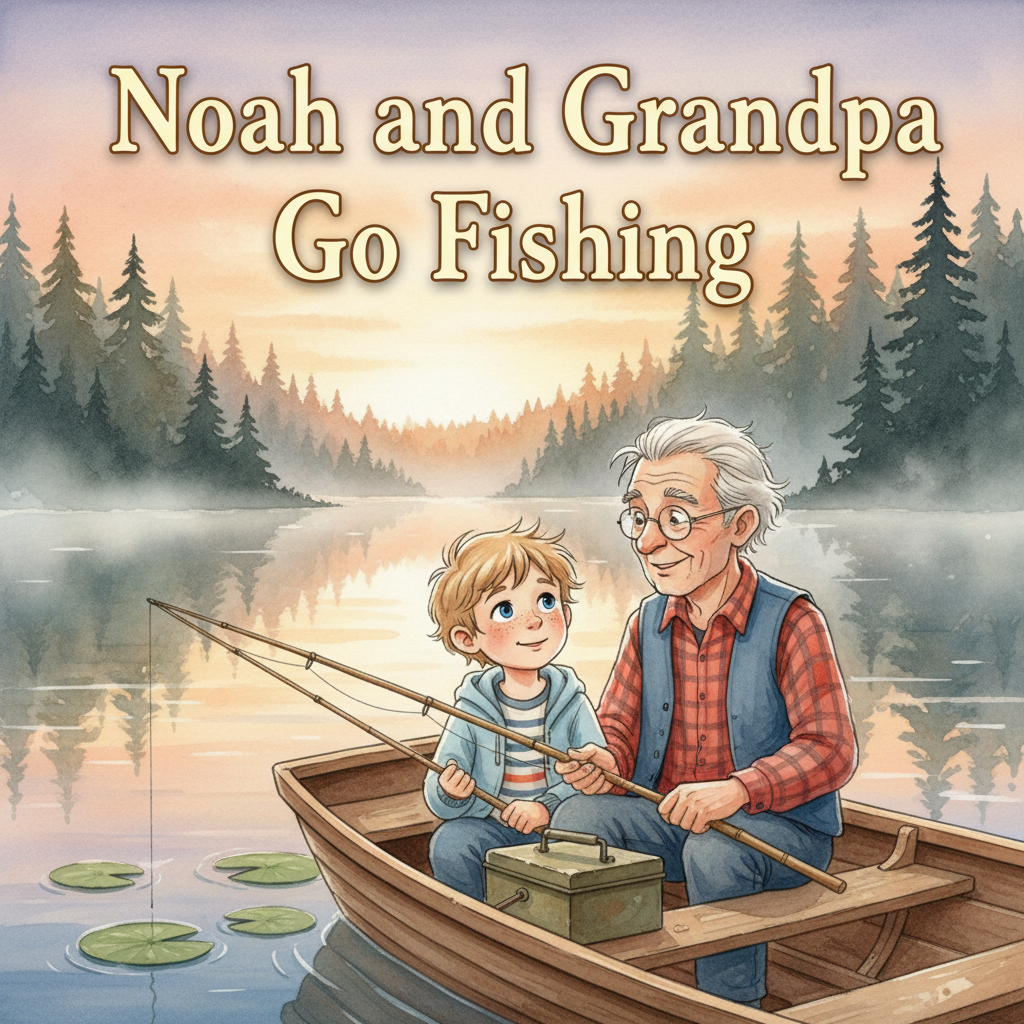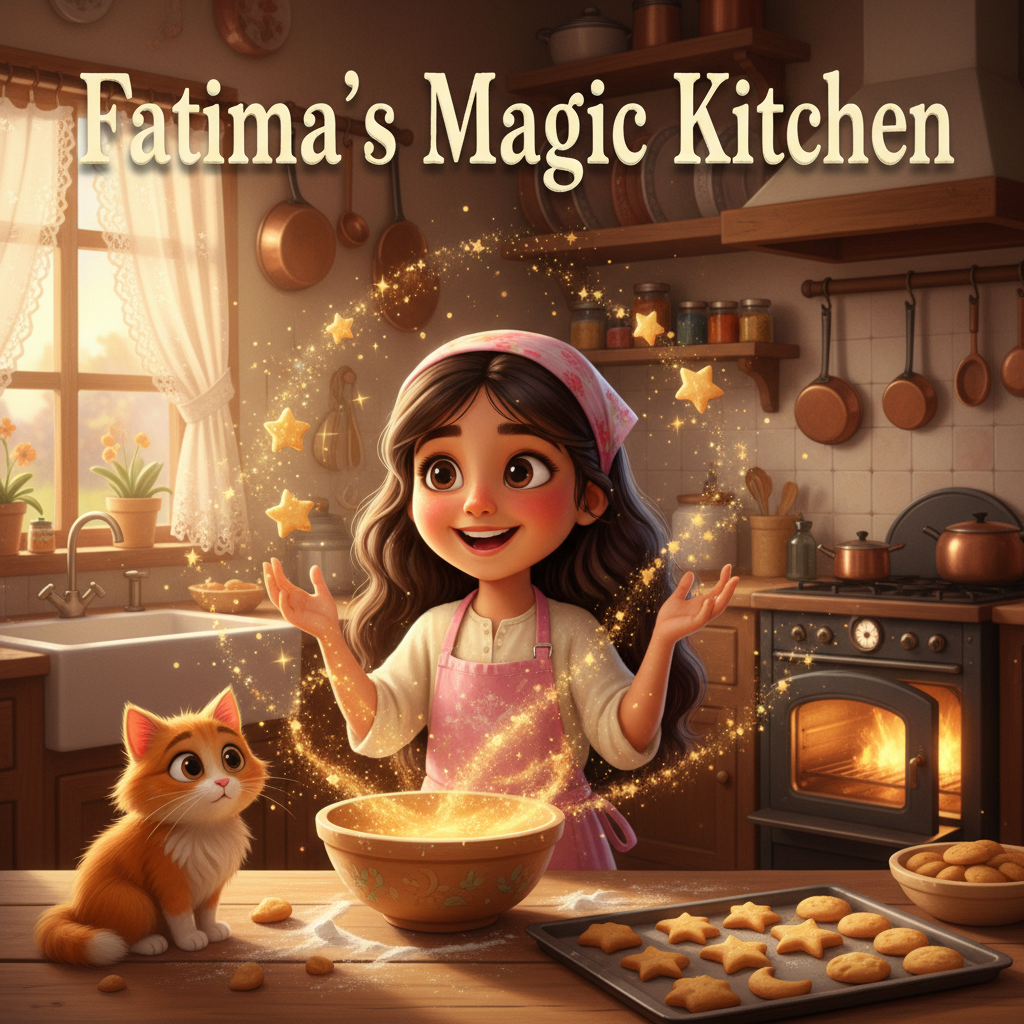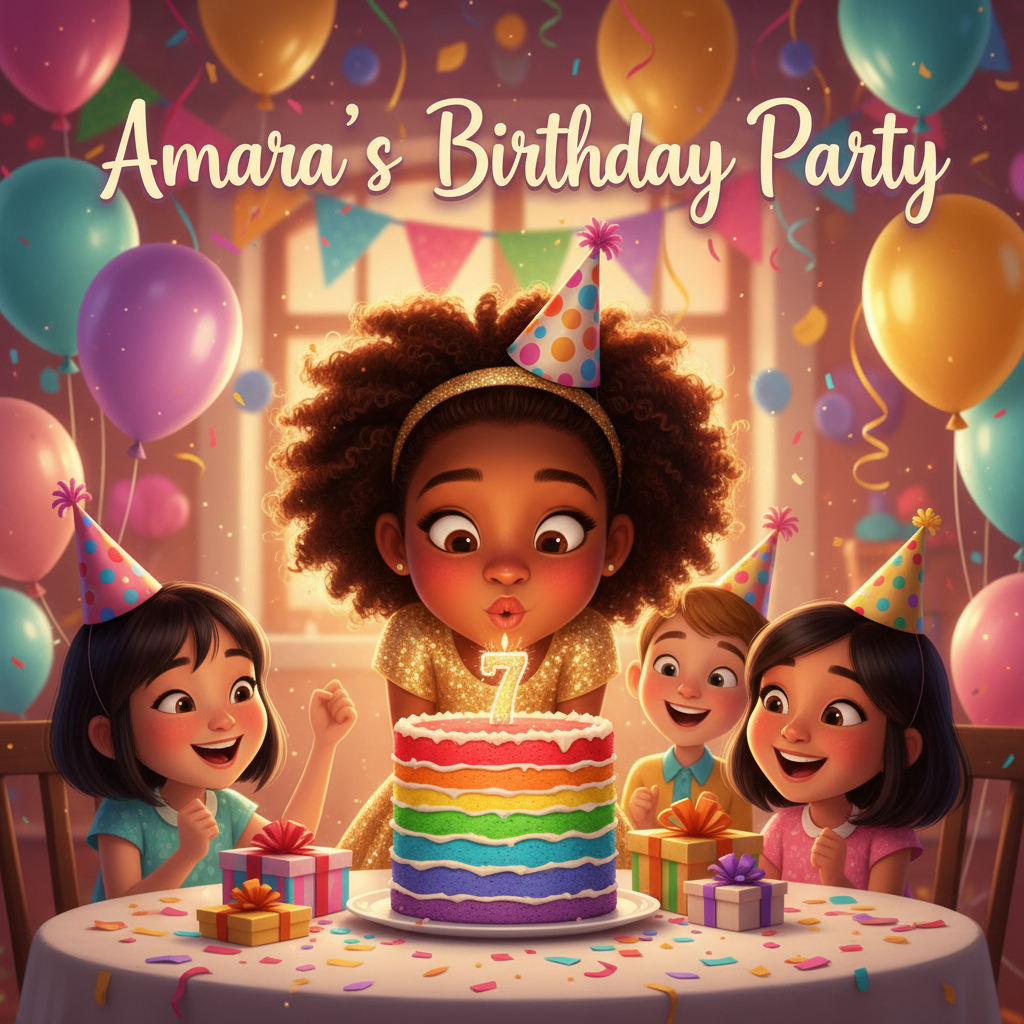
Every parent knows the struggle: you buy a beautiful children's book, read it once, and it disappears into the toy bin, never to be requested again. Meanwhile, that one tattered book with the torn cover? The one they've heard four hundred times? That's the one they want every single night.
What makes certain books stick while others don't? Increasingly, research points to one powerful factor: personal relevance. And personalized books for kids — books where your child is literally the main character — tap into this in the most direct way possible.
The research on personalization and reading
A 2019 study published in the journal Frontiers in Psychology found that children who read stories featuring themselves as characters showed significantly higher engagement, better recall of story details, and greater motivation to read independently.
This isn't surprising when you think about it. Adults do the same thing — we're more engaged by stories that feel relevant to us. For a three-year-old, there's nothing more relevant than themselves.
Another study from the National Literacy Trust found that children who identify with book characters are twice as likely to enjoy reading. Personalized children's books remove the identification barrier entirely — the character is the child.
Why "seeing yourself" matters
Representation in children's literature has been a growing conversation, and for good reason. Children who see characters that look like them develop stronger self-concept and are more likely to see themselves as readers.
Personalized books take this a step further. It's not just a character who kind of looks like your child — it's a character created directly from their photo. Same hair, same eyes, same smile. For a young child, this is genuinely magical. They don't fully understand how it works, but they know that's them on the page, and it changes everything about how they interact with the book.
Parents consistently report that their kids:
- Request personalized books more than any other books at bedtime
- Show the book to visitors and narrate the story themselves
- "Read" the book independently, even before they can actually read
- Develop stronger vocabulary around the story's themes
The bedtime reading effect
Bedtime reading is one of the strongest predictors of a child's future reading ability. But it only works if the child is engaged — if they're squirming and asking for screen time instead, the benefits diminish.
Personalized bedtime stories solve the engagement problem. When a child knows the book is about them, they lean in. They point at the illustrations. They ask questions. They want to hear the story again. This is exactly the kind of active engagement that builds literacy.
A custom kids' book isn't just a novelty — it's a tool that makes the most important reading time of the day more effective.
Beyond reading: building confidence
Something interesting happens when children see themselves as the hero of a story. They internalize the qualities of that character. If the story is about a brave explorer, they start to see themselves as brave. If it's about a kind friend, they practice kindness.
This is called "narrative identity" — the way we use stories to understand who we are. Adults do it with memoirs and biographies. Children do it with picture books. And when the character in the picture book is literally them? The identity formation is even more powerful.
We've had parents tell us their child started saying things like "I'm brave, just like in my book!" and "I can be kind to everyone, like in my story!" These aren't just cute anecdotes — they're exactly how children build self-concept.
The gift of becoming a reader
Experts agree that the single biggest factor in raising a reader isn't phonics programs or educational apps — it's whether a child associates reading with pleasure. If books equal fun, they read more. If they read more, they get better at it. If they get better, they enjoy it more. It's a virtuous cycle.
Personalized books are a cheat code for starting that cycle. They're so inherently engaging for young children that the pleasure association forms almost instantly. We've heard from dozens of parents who say their child's personalized book is what finally got them excited about reading.
What age is best?
Personalized books work across a wide age range, but the sweet spot is 2-7 years old. This is when children are:
- Developing their sense of self
- Learning to recognize familiar things in media
- Building their relationship with books and reading
- Most impressed by "seeing themselves" in illustrations
For toddlers (2-3), the magic is in recognition — "That's ME!" For preschoolers (4-5), it's about the story and adventure. For early readers (6-7), it bridges the gap between being read to and reading independently.
Make reading personal
You don't need a fancy literacy program to raise a reader. Sometimes you just need the right book — one that makes your child the hero, holds their attention through the last page, and gets requested again tomorrow night.
That's what a personalized storybook does. It turns reading from a chore into the best part of the day.