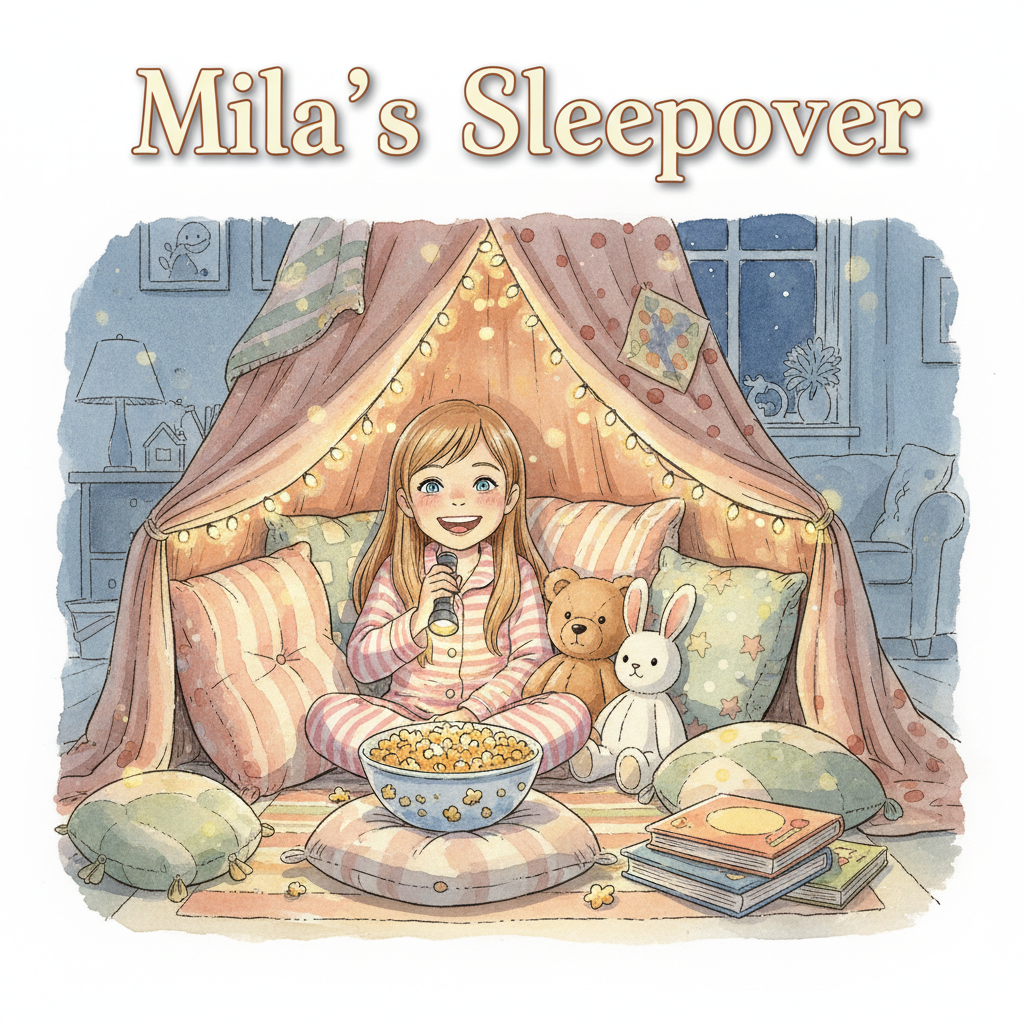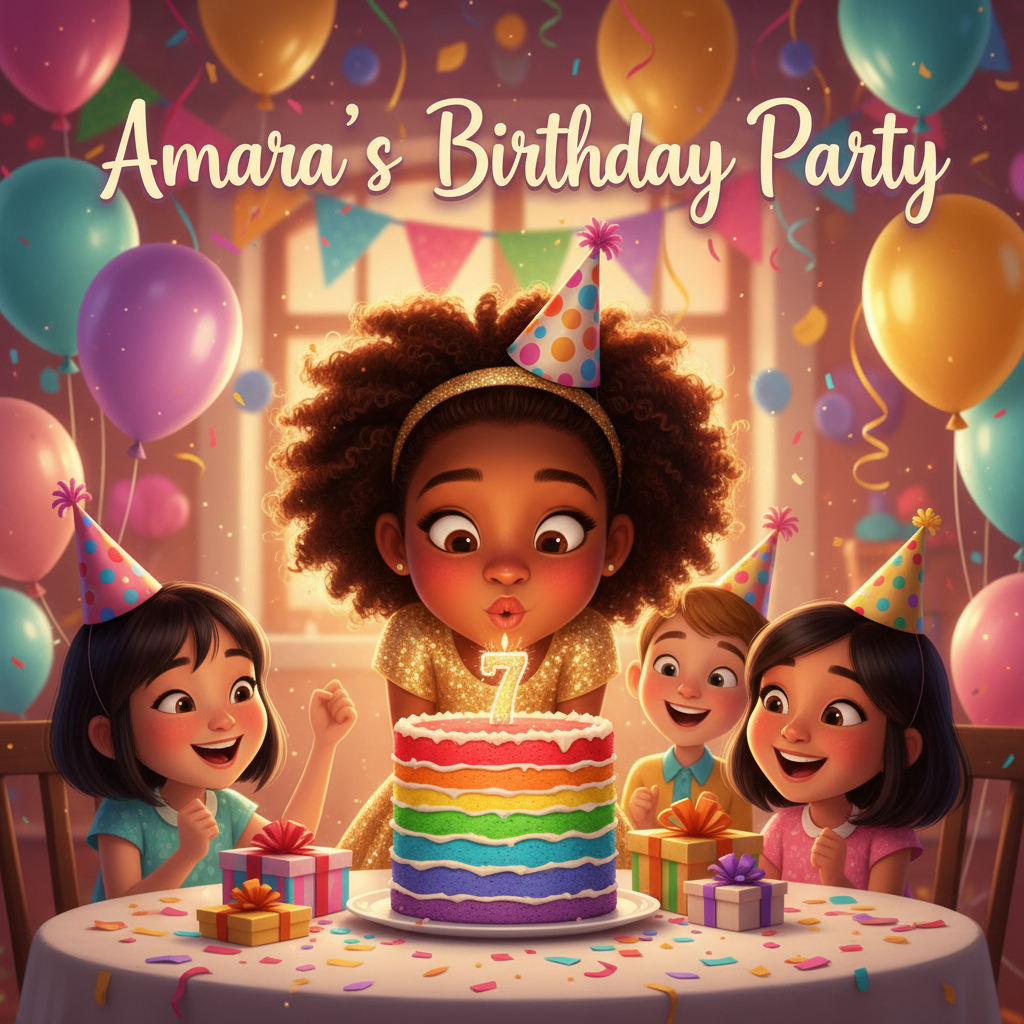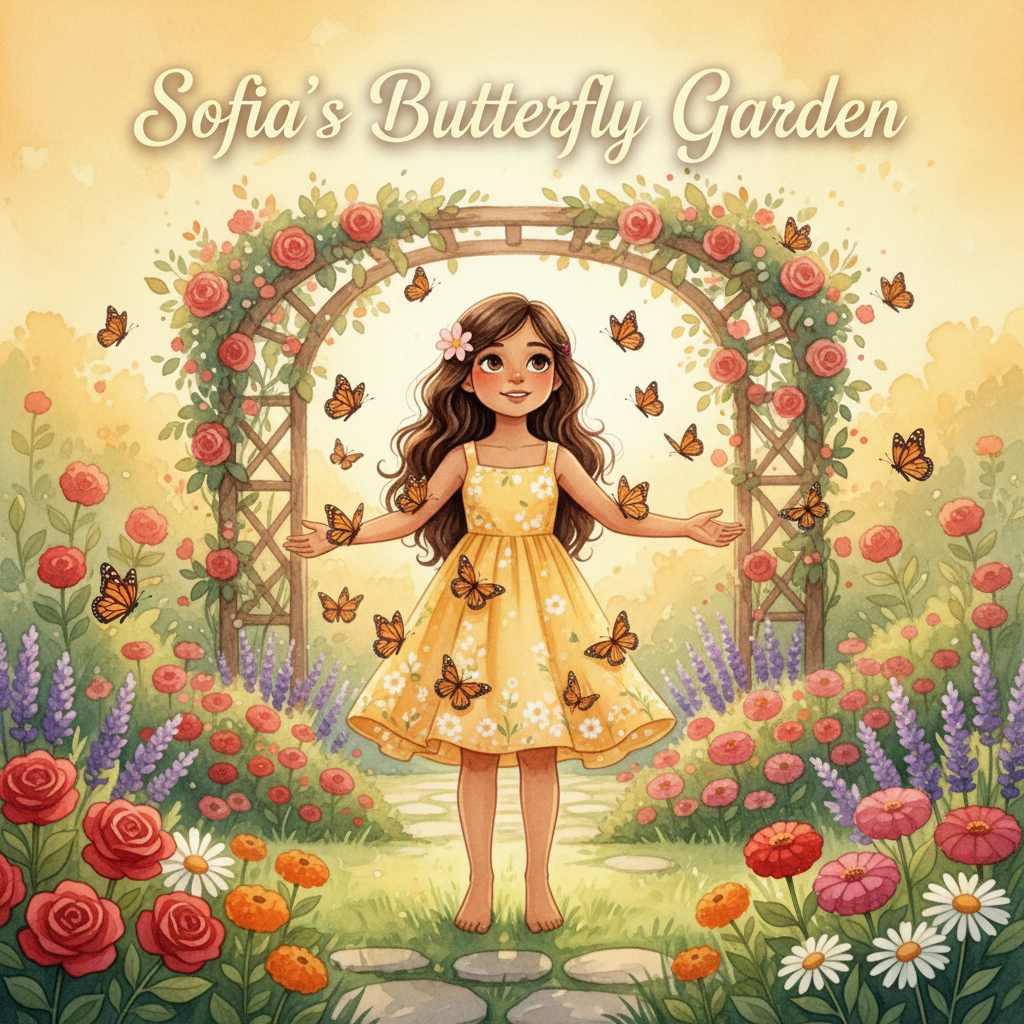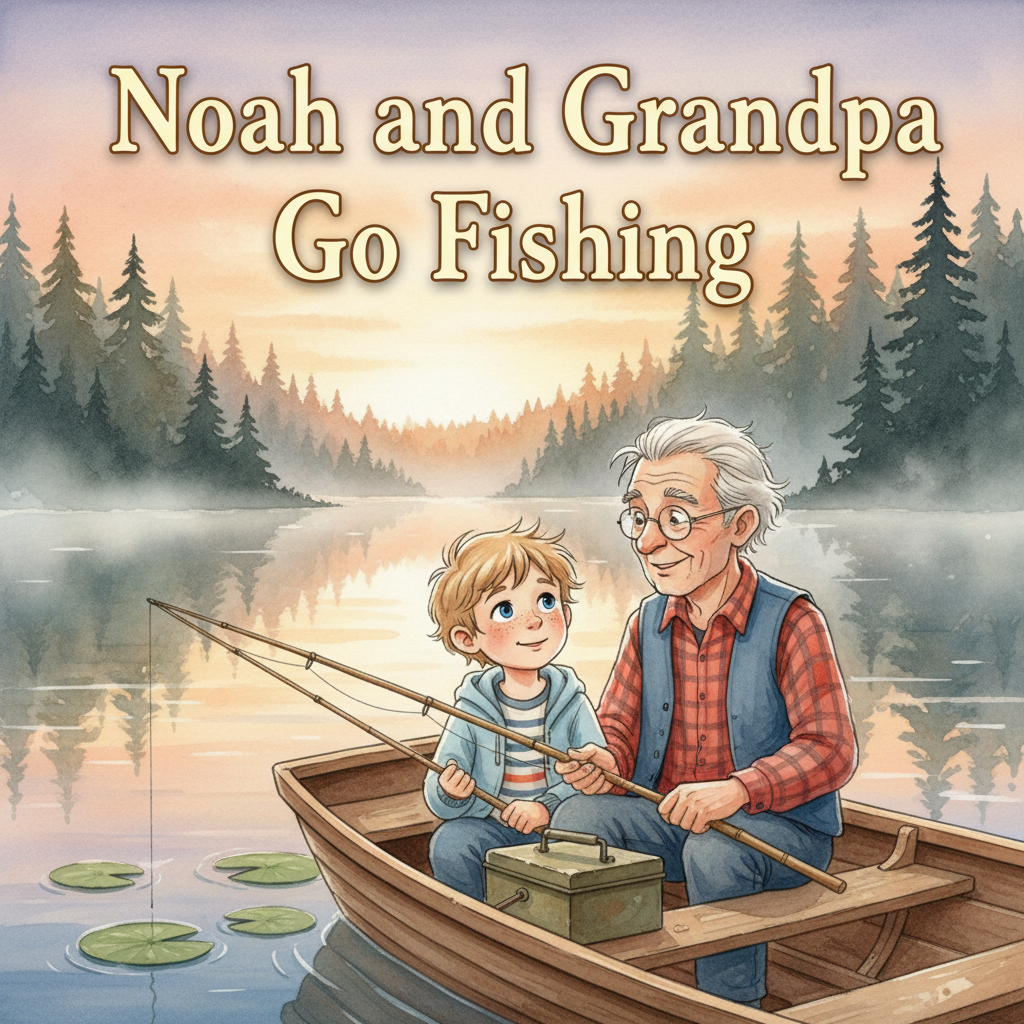
Walk into any children's section at a bookstore and you'll find thousands of beautifully written, expertly illustrated books. They're wonderful. We're not here to argue otherwise. But there's a question worth asking: what if there's a specific type of book that gets kids to read more — and enjoy it more — than anything else on the shelf?
That's the case for personalized children's books. Not as a replacement for regular picture books, but as something that works differently in a child's brain. And the difference is measurable.
What the research says about personalization and reading
A study published in Frontiers in Psychology (2019) compared children reading stories that included their own name and details versus identical stories with generic character names. The personalized group showed significantly higher engagement, asked more questions during reading, and recalled more story details in follow-up assessments.
Another study from the National Literacy Trust found that children who strongly identify with a book character are twice as likely to say they enjoy reading. Personalized books remove the identification gap entirely — the character is them.
A 2021 report by the University of Sussex examined personalized learning materials broadly and found a 40% improvement in recall when content was self-referential. This aligns with what cognitive psychologists call the "self-reference effect" — our brains process and retain information better when it relates to ourselves.
So yes: personalized children's books do appear to have measurable benefits. But why?
The engagement advantage
The core advantage of a personalized book is engagement. And engagement is the engine of everything good in childhood reading — comprehension, vocabulary growth, motivation, and the positive association between books and pleasure.
Here's what happens when a child opens a book and sees themselves illustrated as the main character:
- Immediate attention capture. Self-recognition is one of the most powerful attention grabbers in human psychology. A child who might drift during a generic story is riveted from page one when they see their own face.
- Emotional investment. They care what happens in the story because it's happening to "them." The stakes feel personal. They root for the hero because the hero is them.
- Repeated requests. Parents consistently report that personalized books become the most-requested book at bedtime — often for months. Regular books cycle in and out; personalized books stick.
- Self-directed reading. Even pre-readers will "read" a personalized book on their own, narrating from memory and pointing at the illustrations. This is a critical literacy development behavior.
Where regular books still win
Fairness matters. Regular children's books have strengths that personalized books don't:
- Variety of characters and perspectives. A child needs to encounter characters who are different from them too. Books about kids from other cultures, with different abilities, or in unfamiliar situations build empathy and broaden worldview.
- Depth of narrative craft. The best children's authors — Maurice Sendak, Mo Willems, Oliver Jeffers — create stories with layers of meaning that sophisticated personalized systems haven't yet matched.
- Breadth of topics. Regular books cover everything from dinosaurs to divorce. Personalized books tend to focus on adventure and identity themes.
- Shared cultural touchstones. The Very Hungry Caterpillar, Goodnight Moon, Where the Wild Things Are — these books connect children to a shared literary heritage.
The point isn't that personalized books should replace regular books. It's that they serve a different function — and serve it extraordinarily well.
The sweet spot: how to use both
The smartest approach combines both types of reading material:
Use personalized books to ignite the love of reading. For a reluctant reader, a personalized book can be the spark. When reading feels fun — when it's literally about them — they develop positive associations with books that transfer to all reading.
Use regular books to expand their world. Once a child associates books with pleasure (partly thanks to that personalized book they love so much), they're more open to exploring unfamiliar stories. The personalized book gets them in the door; the library keeps them there.
Use personalized books as a bridge for pre-readers. Children ages 2-4 who "read" their personalized book aloud from memory are practicing narrative skills, building vocabulary, and developing the confidence that they can be readers. This translates directly to actual reading readiness.
What makes a good personalized book (and what doesn't)
Not all personalized children's books are equal. The cheap ones — where your child's name is dropped into a generic template with clip-art illustrations — don't deliver the same benefits. Here's what to look for:
- Real illustration, not templates. The child should be truly illustrated into the art, not pasted as a photo onto a cartoon body.
- Story quality matters. The narrative should stand on its own as a good story, not just a showcase for the child's name.
- Consistent character appearance. The child should look like themselves on every page, in a cohesive art style. This is where AI-powered illustration (like what TinyTalers uses) has a real advantage over older template systems.
- Preview before buying. You should see every page before you pay. If a company won't let you preview, that's a red flag.
The bottom line for parents
Personalized children's books aren't a gimmick. The research supports real benefits in engagement, recall, reading motivation, and self-concept development. They work best as part of a diverse reading diet — the book that gets your child excited about books in general.
If you're curious, create a free preview and see how your child reacts. Most parents report the reaction is immediate and unmistakable: a child who sees themselves in a book wants to read that book. Tonight, tomorrow, and the night after that.