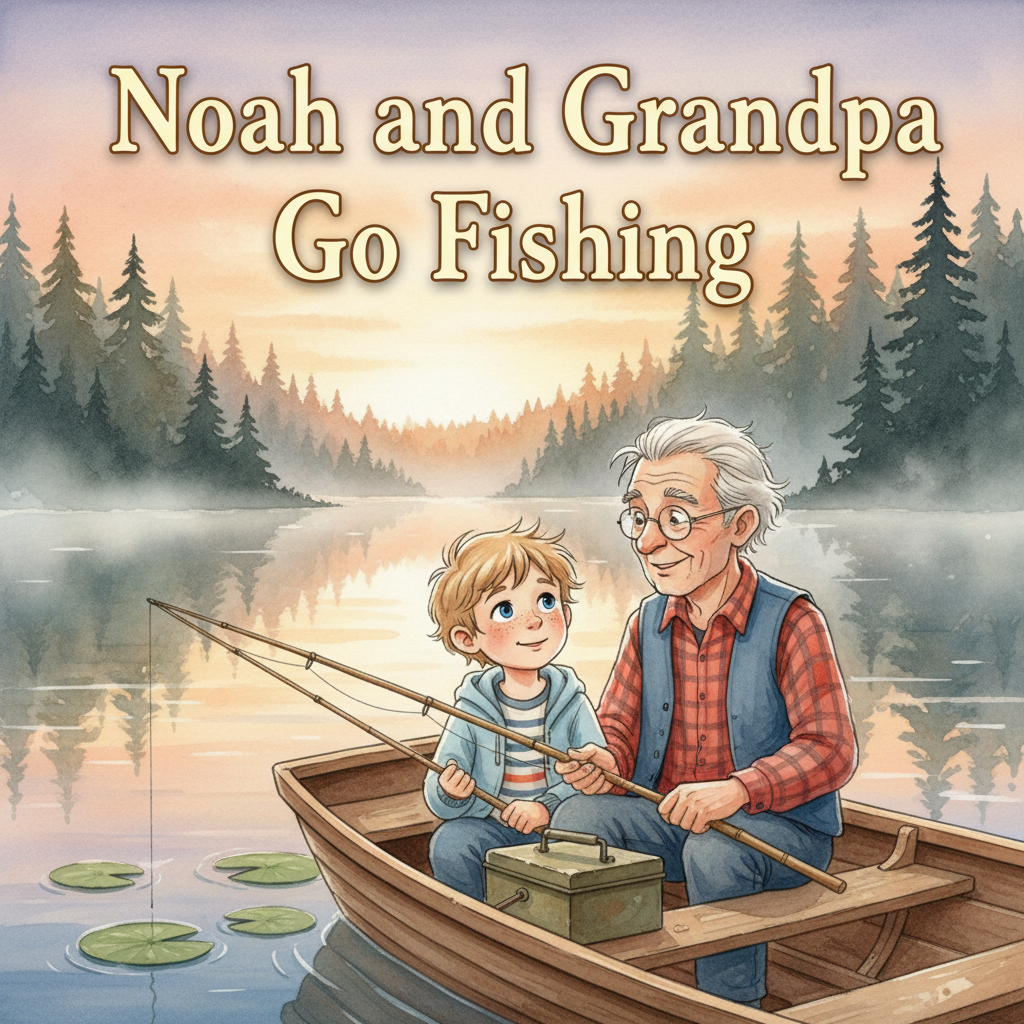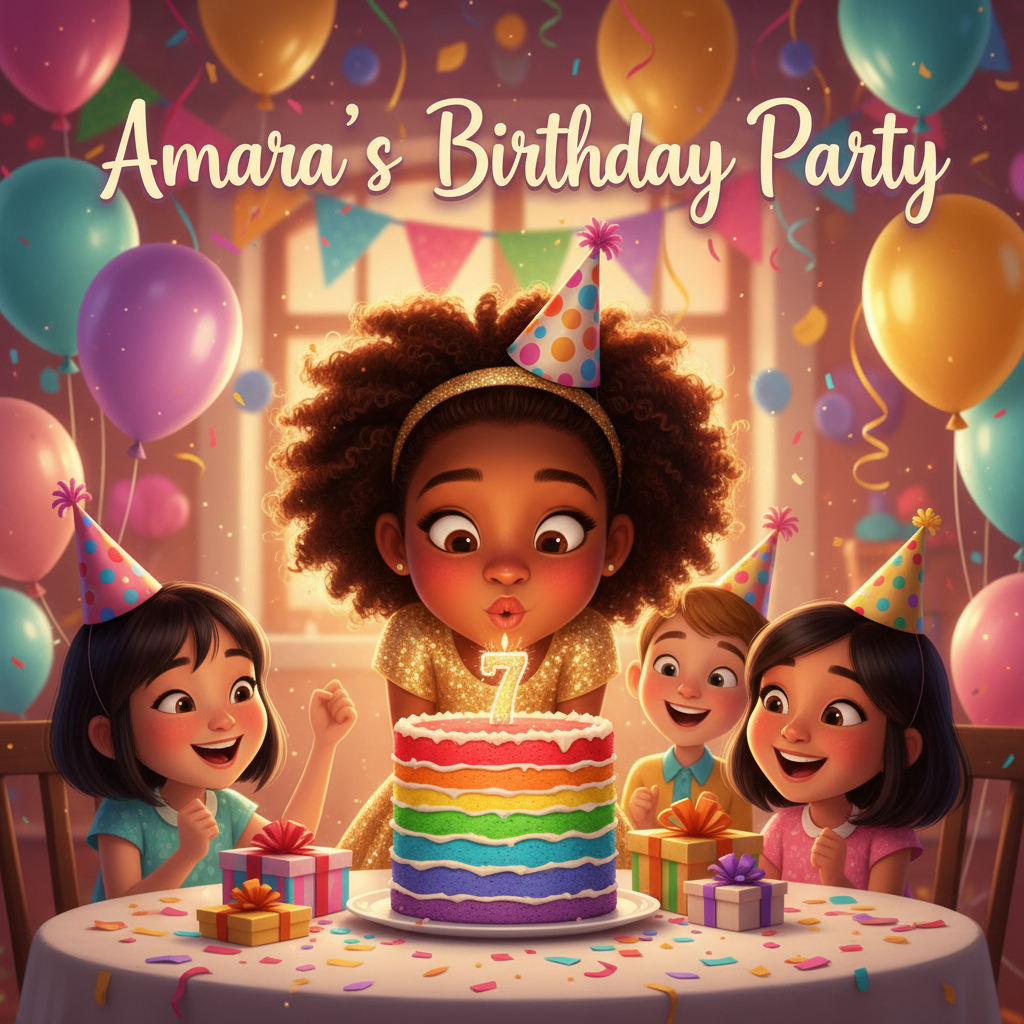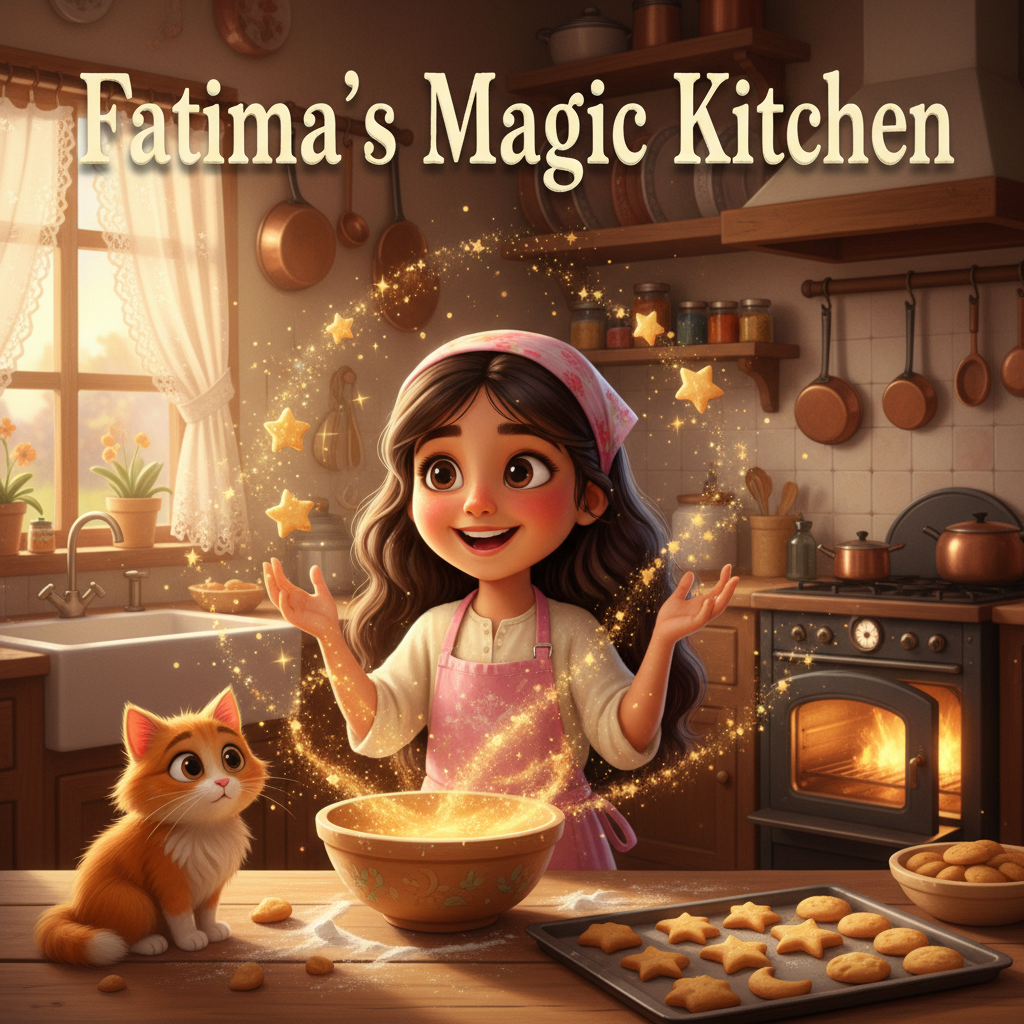
If you've ever shown a toddler a photo of themselves, you've seen it — that instant, electric recognition. Their whole face lights up. "That's ME!" they say, pointing at the screen with the kind of joy usually reserved for ice cream trucks.
This reaction isn't just cute. It's a window into one of the most important developmental processes in early childhood: the formation of self-concept. And it's the reason personalized story books have such a powerful effect on young children.
The mirror stage and self-recognition
Developmental psychologists have studied self-recognition for decades. The classic "mirror test" — where researchers put a dot on a child's face and see if they touch the dot when looking in a mirror — shows that most children develop self-recognition between 18 and 24 months.
But recognizing yourself is just the beginning. Between ages 2 and 7, children are actively constructing their sense of who they are. They're asking big questions (without the vocabulary to articulate them): What kind of person am I? What can I do? Where do I fit in my world?
This is where personalized learning materials — including custom story books — become genuinely powerful. They don't just entertain; they contribute to identity formation.
The self-reference effect
In cognitive psychology, there's a well-documented phenomenon called the "self-reference effect." Put simply: we remember information better when it's connected to ourselves. If I tell you a random fact, you'll probably forget it. If I tell you the same fact but relate it to your life, you'll remember it for years.
This effect is even more pronounced in children. When a story features their name, their face, and details from their life, the entire narrative becomes more memorable, more engaging, and more emotionally meaningful.
Research from the University of Sussex found that personalized learning materials resulted in a 40% increase in recall compared to generic materials. For children who are still developing their memory and comprehension skills, that's an enormous advantage.
Narrative transportation and young minds
"Narrative transportation" is the psychological term for getting lost in a story — that feeling when you're so absorbed in a book that the real world fades away. Researchers have found that narrative transportation is key to the emotional and cognitive benefits of reading.
Here's what's fascinating: children experience narrative transportation more easily when the protagonist resembles them. It's not just about identification in an abstract sense — it's about the brain processing the character as a version of "self," which lowers the barrier to immersion.
When your child opens a custom story book and sees a character with their face, their brain doesn't just think "that looks like me." On a neurological level, they process that character's experiences as closer to their own experiences. The fear the character overcomes becomes their fear overcome. The bravery the character shows becomes their bravery.
The role of emotional engagement
We know that emotion and learning are deeply connected. Children learn more effectively when they're emotionally engaged — this is why play-based learning is so effective and why worksheets are so forgettable.
Personalized books create emotional engagement almost automatically. The child cares about the protagonist because the protagonist is them. They're invested in the outcome. They feel the triumphs and the challenges more deeply.
This emotional engagement has ripple effects beyond just enjoying the story:
- Better vocabulary development — engaged children ask more questions about words they don't know
- Stronger comprehension — they track the narrative more carefully because they're invested
- Increased empathy — experiencing the story as the protagonist builds perspective-taking skills
- Greater motivation to read — they associate books with positive emotion
What about child development stages?
The effect of personalization looks different at different ages:
Ages 2-3 (Self-recognition phase): The primary magic is recognition. "That's me!" is the whole experience, and it's wonderful. At this age, the personalized illustrations matter more than the story itself. Simply seeing themselves in a book context builds the association between "me" and "reader."
Ages 4-5 (Narrative comprehension phase): Now the story matters. Children at this age can follow a plot and understand character motivation. Seeing themselves as the hero who solves a problem or shows kindness has real impact on how they see themselves in the real world.
Ages 6-7 (Early reader phase): At this stage, personalized books serve a dual purpose — they maintain the emotional connection that motivates reading, while also providing practice material that feels exciting rather than educational. A child who might resist a "reading book" will happily read a story about themselves.
Beyond novelty: lasting impact
Skeptics might wonder: isn't the personalization just a novelty that wears off? The research says no. Studies tracking children over time found that personalized books were requested repeatedly over months, while generic books of similar quality were cycled through more quickly.
The reason is that personalized books create what psychologists call "self-relevance," and self-relevance doesn't have an expiration date. A story about you doesn't stop being about you just because you've heard it before.
This is why parents consistently report that their child's personalized book becomes the most-requested book in the house — often for months or even years.
Making it real
Understanding the science is interesting. But the real magic is in the application — creating a book that gives your child all of these developmental benefits while also being the most special thing on their bookshelf.
A personalized storybook isn't just a gift. It's a tool for building self-concept, developing literacy, fostering emotional intelligence, and making your child feel like the most important person in the world. Because in the story, they are.