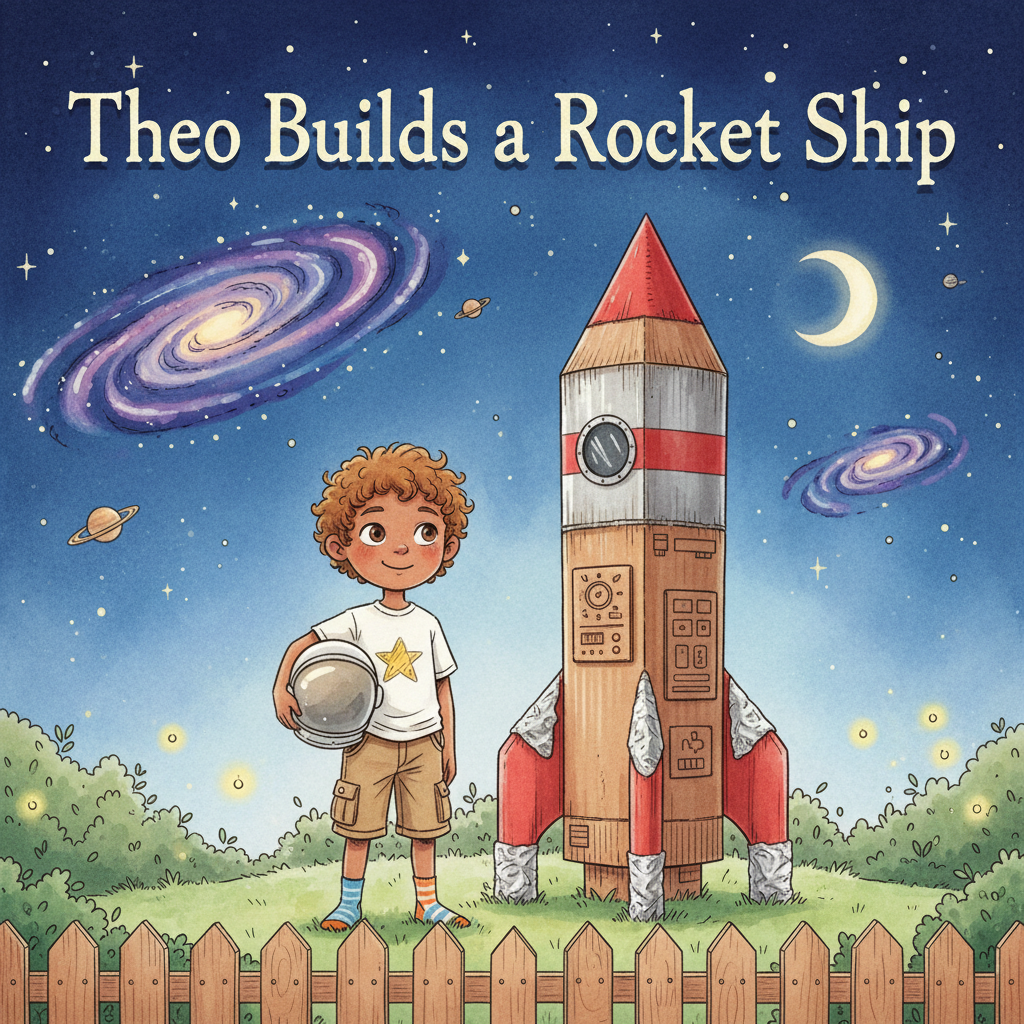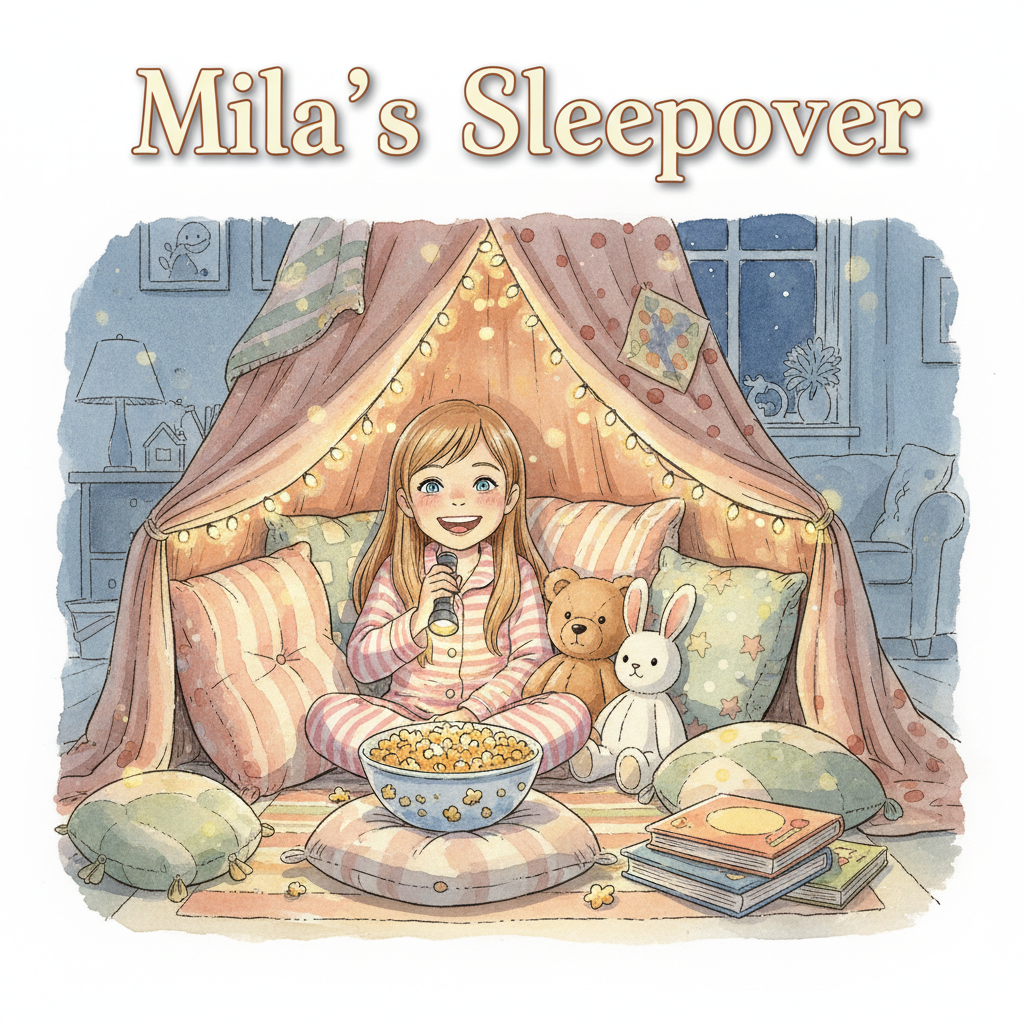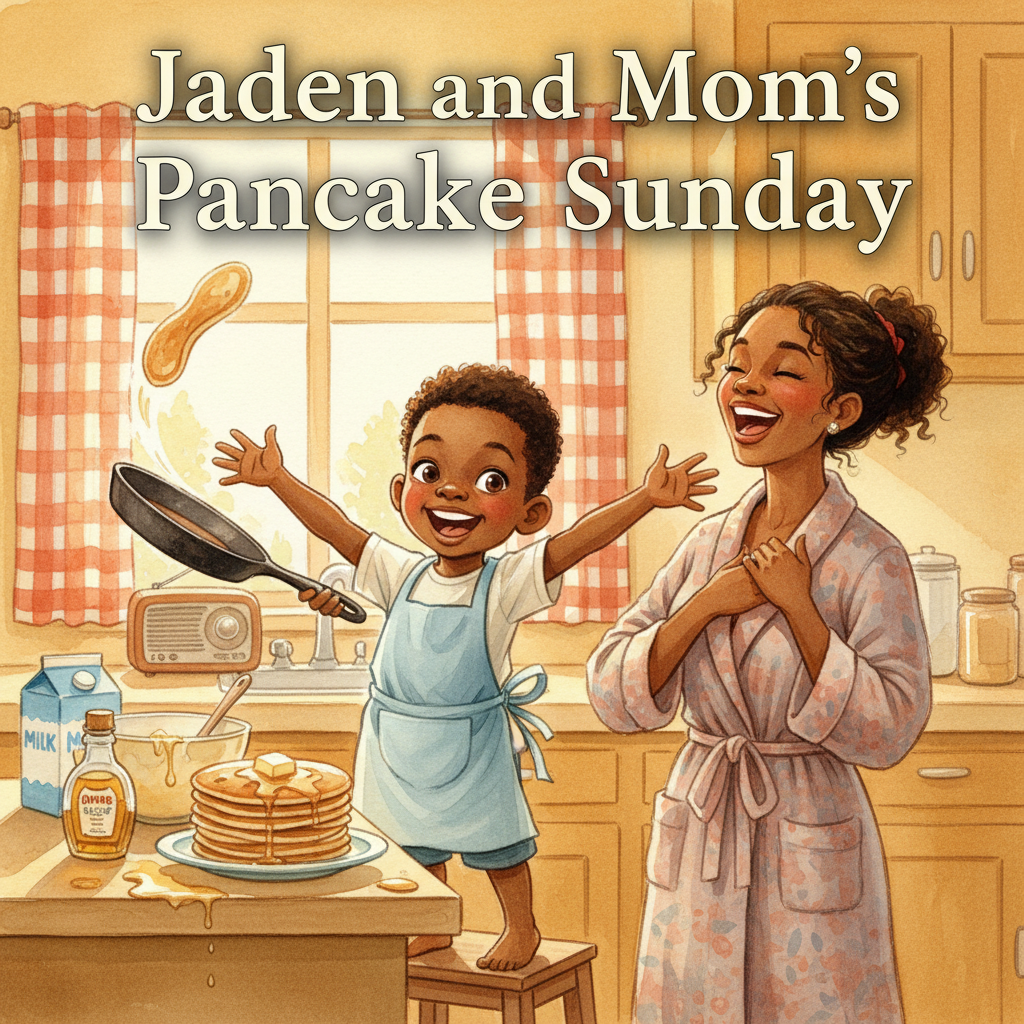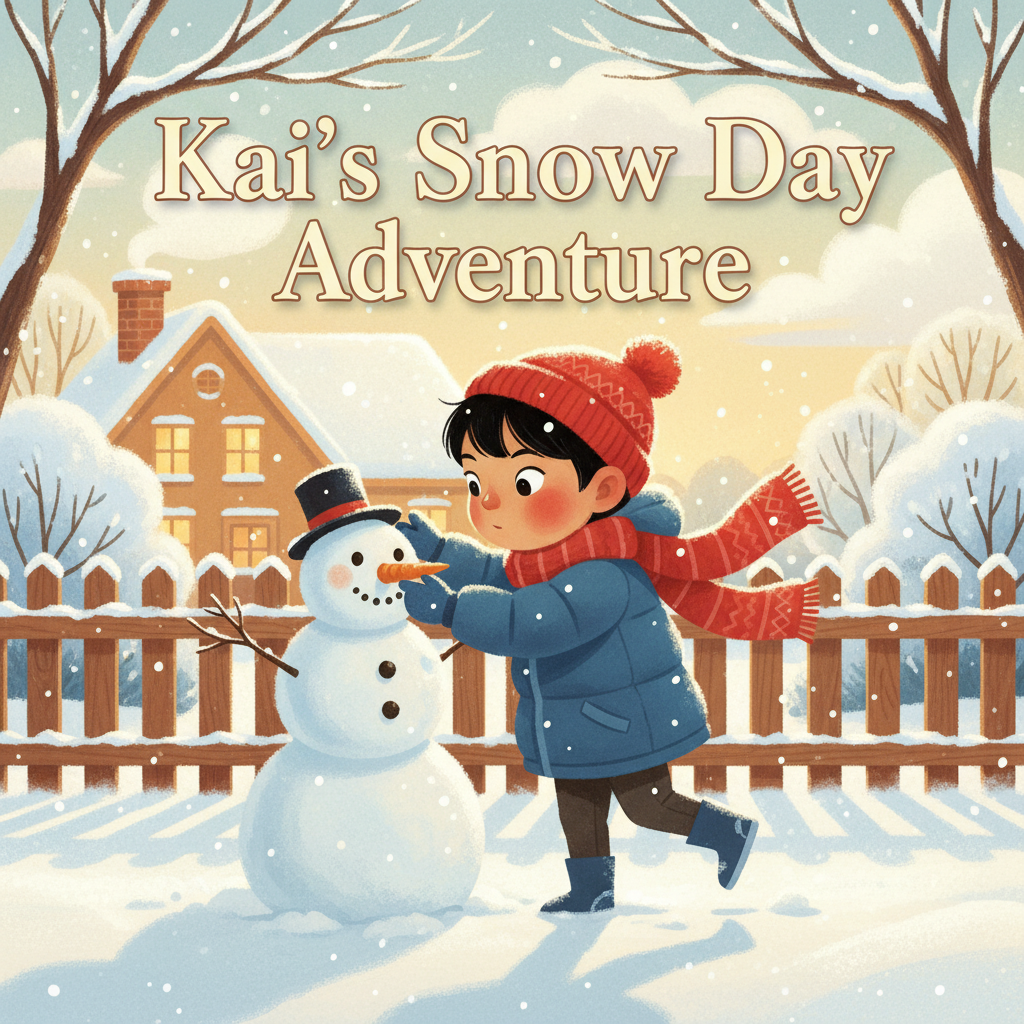
If someone told you five years ago that artificial intelligence would be illustrating children's books, you'd probably have imagined something dystopian — soulless, corporate, uncanny valley. Robot art for robot children.
The reality in 2026 is nothing like that. AI-illustrated children's books are warm, beautiful, and increasingly indistinguishable from hand-drawn work. More importantly, they've unlocked something that was previously impossible: truly personalized storybooks where your child's actual face appears in every illustration.
This is a big deal. Here's why.
How AI storybook illustration actually works
When people hear "AI illustrated book," they often imagine a text-to-image generator cranking out random pictures. The reality is much more sophisticated, especially when personalization is involved.
Here's a simplified version of what happens when you create a personalized book with an AI-powered service like TinyTalers:
- You upload a photo of your child. A single clear photo is enough. The AI analyzes facial features — hair color, skin tone, eye shape, expression — to build a character model.
- The character gets illustrated in a chosen art style. This isn't a photo filter. The AI creates original illustrations of your child as a drawn character — watercolor, storybook, anime, whimsical — while preserving their recognizable features.
- Each scene is composed individually. Every page spread is generated as a complete illustration: your child's character placed naturally within environments, interacting with other characters, expressing emotion that fits the story beat.
- Consistency is maintained across pages. One of the hardest technical challenges: making sure your child looks like the same character on every page. Modern AI systems handle this through character-consistency models that lock in features across multiple generations.
The result is a 20+ page illustrated book where your child is genuinely integrated into every scene — not pasted on, not templated, but illustrated as if an artist drew them by hand.
Why this wasn't possible before AI
Before AI illustration, personalized children's books existed, but they were... limited. Most used one of two approaches:
Template books: Pre-drawn illustrations with blank spaces where your child's name (and sometimes a photo) gets inserted. The result feels like a fill-in-the-blank form, not a real book. The character on page 3 looks nothing like the one on page 7 because they're different templates.
Hand-illustrated custom books: A real artist draws your child as a character. This produces beautiful results, but at $500-$2,000 per book and weeks of turnaround. Economically out of reach for most families.
AI splits the difference. You get illustration quality that approaches hand-drawn work, at a price point ($10-$45) that makes it accessible, with turnaround measured in minutes rather than weeks. That's not a small improvement — it's a category shift.
Addressing the quality question
Let's be honest about the elephant in the room: people have concerns about AI art quality. Some of those concerns were valid a couple of years ago. Early AI image generators produced illustrations with weird hands, inconsistent faces, and an unsettling "almost right" quality.
In 2026, the technology has matured significantly. Current AI illustration models handle:
- Anatomical accuracy — hands, faces, and proportions are consistent and natural
- Style coherence — every page looks like it belongs to the same book, drawn by the same artist
- Emotional expression — characters smile, look surprised, concentrate, and laugh in ways that serve the story
- Environmental detail — backgrounds are rich, textured, and complementary, not just flat color fills
Is every AI illustration as good as the best human illustrators in the world? No. Oliver Jeffers isn't losing sleep. But the quality bar has risen to the point where parents regularly tell us they assumed a human artist created each page. For a personalized book — where the whole point is your specific child in the story — it's more than good enough. It's genuinely impressive.
The personalization advantage of AI
Here's what AI does that no other method can match: it creates a unique character from a single photo and renders that character consistently across dozens of scenes, in multiple art styles, in real time.
This means:
- Every book is one-of-a-kind. Two families who choose the same story will receive completely different illustrations because their children look different. The book is truly custom.
- Multiple art styles are possible. Want watercolor? Storybook classic? Anime-inspired? Whimsical cartoon? AI can render the same character in any style, and you can preview all of them before choosing.
- Family members can be included. Advanced AI systems can incorporate multiple people — siblings, parents, grandparents — as characters in the same story, all illustrated consistently.
- Previewing is free and instant. Because AI generation is fast, you can see your entire book before paying. No commitment, no risk, no waiting for a proof.
What parents actually think
The most persuasive argument for AI children's books isn't technical — it's the reaction when a child opens one. Parents describe the moment their kid sees themselves illustrated in a storybook as "magical," "jaw-dropping," and "the fastest I've ever seen them grab a book."
For parents, the appeal is practical too:
- Three minutes to create (not three weeks)
- Free preview (not a blind purchase)
- Affordable ($9.99-$44.99, not $500+)
- Multiple copies easy to order (great for grandparents, separated households)
The technology behind it matters less to most parents than the result: a beautiful book that makes their child feel special. AI is just the tool that makes that possible at scale.
The future of AI + children's books
We're still early. In the next few years, expect AI-illustrated books to support even more customization: children choosing their own adventure paths, multilingual editions generated instantly, and stories that adapt based on a child's interests and reading level.
The core promise won't change though: every child deserves to be the hero of their own story. AI just makes it possible for every family to afford it.
Curious what it looks like? Create your free preview — upload a photo, pick a style, and see every page illustrated with your child. Takes three minutes, costs nothing to try.